Today's children spend more time looking down at screens than any generation before them. Between smartphones, tablets, laptops, gaming systems, and schoolwork, many kids spend several hours each day with their heads tilted forward and shoulders rounded. While technology has become an
important part of daily life, these habits can place significant stress on a growing spine. Parents are increasingly noticing posture problems in their children, including slouched shoulders, forward head posture, neck pain, headaches, and upper back discomfort. One term that has become increasingly common is "tech neck," which refers to strain and discomfort caused by prolonged screen use and poor posture.
The good news is that these issues are often manageable when identified early. Chiropractic care may help improve posture, mobility, and spinal function while providing parents with strategies to support healthier habits at home.
At Brain Body Connection Chiropractic in Denton, TX, Dr. Twila Henderson provides family-focused chiropractic care and works with children of all ages to support healthy growth and development.
What Is Tech Neck?
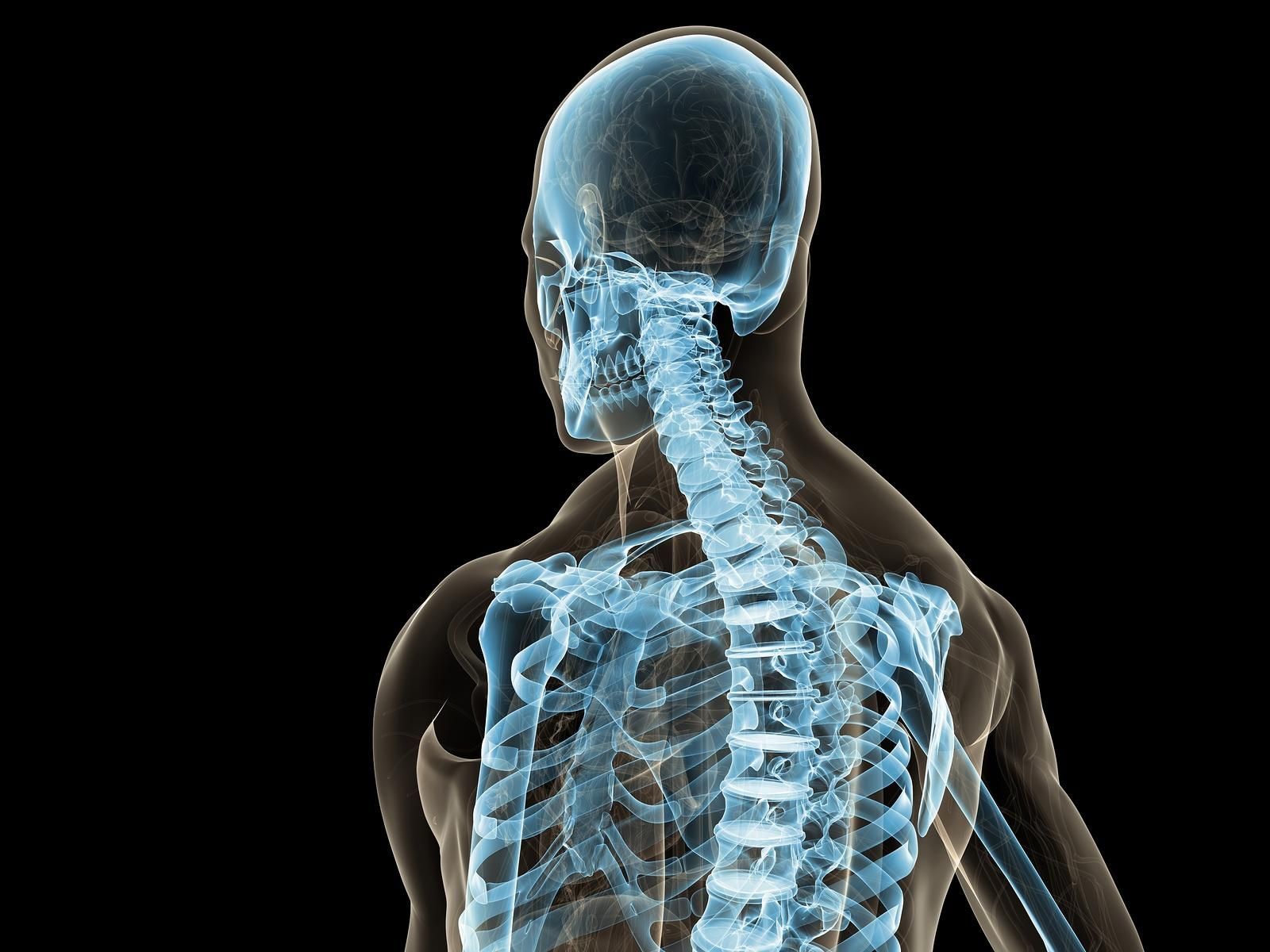
Tech neck refers to the stress placed on the neck and upper back when the head remains in a forward position for extended periods. The human head weighs approximately 10 to 12 pounds when properly aligned over the shoulders. However, as the head moves forward, the amount of force placed on the neck increases dramatically. Children often develop this posture while:
- Using smartphones
- Playing video games
- Watching tablets
- Working on laptops
- Reading while looking downward
- Sitting with poor posture at school
Over time, these positions can contribute to muscular tension, joint restrictions, and postural imbalances.
Why Children's Posture Matters
Good posture is about more than appearance. Proper posture helps support:
- Healthy spinal development
- Efficient movement
- Balance and coordination
- Proper breathing mechanics
- Muscular function
- Long-term spinal health
Because children's bodies are still growing, postural habits developed early in life can influence movement patterns for years to come. Addressing posture concerns while children are young may help support healthier spinal function as they grow.
Signs Your Child May Have Poor Posture
Posture problems are not always obvious at first. Parents may notice:
Rounded Shoulders
The shoulders appear to roll forward rather than resting in a neutral position.
Forward Head Posture
The head sits noticeably in front of the shoulders.
Frequent Slouching
Children may consistently sit or stand with a curved upper back.
Neck Complaints
Some children begin reporting neck discomfort after screen time.
Upper Back Pain
Tension between the shoulder blades is becoming increasingly common among children and teenagers.
Headaches
Poor posture can contribute to muscle tension that may trigger headaches.
Reduced Athletic Performance
Postural imbalances can affect movement efficiency and coordination.
How Technology Is Changing Children's Posture
Technology itself is not the problem. The challenge comes from prolonged positions and repetitive movement patterns.
Many children spend hours each day:
- Looking down at devices
- Sitting for extended periods
- Using furniture not designed for proper ergonomics
- Participating in fewer physical activities
These habits can create muscle imbalances where certain muscles become tight while others become weak.
Over time, this imbalance may contribute to discomfort and altered posture.
Can Poor Posture Cause Pain?
Yes. While some children show postural changes without symptoms, others begin experiencing discomfort.
Common complaints include:
- Neck pain
- Upper back pain
- Shoulder tension
- Headaches
- Fatigue
- Muscle tightness
Children may not always connect these symptoms to posture, which is why many parents are surprised to learn how much posture affects daily comfort.
Contact Us
The Long-Term Effects of Poor Posture
When posture problems persist for years, they may contribute to ongoing spinal stress. Potential long-term concerns include:
Chronic Muscle Tension
Muscles forced to work harder than necessary may become chronically tight.
Reduced Mobility
Joint restrictions can limit normal movement patterns.
Increased Injury Risk
Poor mechanics may place additional stress on joints and muscles during sports and activities.
Ongoing Headaches
Muscular tension in the neck and shoulders can contribute to recurring headaches.
Decreased Confidence
Posture can affect how children carry themselves physically and socially.
Early intervention may help reduce the likelihood of these issues becoming more significant later in life.
How Chiropractic Care May Help
Chiropractic care focuses on improving spinal function, mobility, and overall movement patterns.
When children develop postural imbalances, chiropractic evaluations can help identify contributing factors.
Spinal Mobility
Restricted joints may affect posture and movement.
Gentle chiropractic adjustments may help improve mobility and function.
Improved Body Awareness
Children often become more aware of their posture after receiving education and guidance.
Addressing Movement Patterns
Treatment may include recommendations designed to improve daily habits and ergonomics.
Supporting Healthy Development
Maintaining proper spinal function may support healthy growth and movement throughout childhood.
The Importance of Movement
One of the best ways to combat tech neck is to encourage regular movement. Children should be encouraged to:
- Take breaks from screens
- Stretch regularly
- Participate in sports
- Play outdoors
- Walk frequently
- Change positions often
Movement helps counteract the effects of prolonged sitting and screen use.
Tips for Parents to Help Improve Posture
There are several simple changes families can implement at home.
Raise Screens to Eye Level
Positioning devices higher helps reduce forward head posture.
Encourage Frequent Breaks
Children should avoid remaining in one position for extended periods.
Create an Ergonomic Study Space
Proper desk and chair setup can significantly improve posture.
Limit Recreational Screen Time
Reducing unnecessary screen exposure may help decrease repetitive stress.
Promote Physical Activity
Regular exercise supports muscular balance and spinal health.
Model Good Posture
Children often mimic the habits they see from parents and caregivers.
Pediatric Chiropractic Care: What Parents Should Expect
Many parents are surprised to learn that pediatric chiropractic care differs significantly from adult treatment. Children require:
- Age-appropriate evaluations
- Gentle techniques
- Individualized care
- Developmentally appropriate recommendations
The force used during pediatric chiropractic care is typically much lighter than what is used for adults.
Treatment focuses on supporting healthy movement and function while prioritizing safety and comfort.
When Should You Schedule an Evaluation?
Parents may consider an evaluation if their child experiences:
- Poor posture
- Neck pain
- Frequent headaches
- Upper back discomfort
- Reduced mobility
- Sports-related strain
- Persistent slouching
Addressing concerns early often provides the greatest opportunity for improvement.
Why Families Choose Brain Body Connection Chiropractic
Dr. Twila Henderson is Pediatric Certified and passionate about helping children and families achieve healthier movement and function. Parents appreciate her personalized approach and commitment to educating families about posture, wellness, and healthy development. Brain Body Connection Chiropractic proudly serves families throughout:
- Denton
- Corinth
- Flower Mound
- Highland Village
- Argyle
- Lantana
- Aubrey
- Krum
- Justin
- Sanger
Help Your Child Build Healthy Habits for Life
The habits children develop today can influence their health for years to come. If your child is experiencing posture problems, neck discomfort, headaches, or signs of tech neck, early intervention may help support healthier movement and spinal function.
At Brain Body Connection Chiropractic, Dr. Twila Henderson provides compassionate pediatric chiropractic care designed to help children move, grow, and thrive.
Call (940) 808-0622 today to schedule an appointment and learn how chiropractic care may benefit your child.
LEARN MORE
Frequently Asked Questions
What is tech neck?
Tech neck refers to neck and upper back strain caused by prolonged use of phones, tablets, computers, and other devices.
Can poor posture cause headaches in children?
Yes. Muscle tension associated with poor posture may contribute to headaches in some children.
Is chiropractic care safe for children?
Pediatric chiropractic care uses gentle, age-appropriate techniques designed specifically for children.
How can I tell if my child has poor posture?
Common signs include rounded shoulders, forward head posture, slouching, neck complaints, and upper back discomfort.
How much screen time is too much?
Recommendations vary by age, but regular breaks and physical activity are important regardless of total screen time.