7 Common Auto Accident Injuries: Treatment & Recovery!
A car accident can affect your body in ways that are not always immediately noticeable. Even a minor collision can place sudden force on the neck, back, shoulders, and joints, potentially causing injuries that interfere with everyday activities. Some people experience pain immediately, while others notice stiffness, headaches, or reduced mobility hours or days after the accident.
Understanding common accident-related injuries and available treatment options can help you make informed decisions about your recovery. Getting an appropriate medical evaluation is an important first step, even when symptoms initially seem manageable. Early assessment can identify injuries that need attention and help prevent you from overlooking more serious problems.
At Brain-Body Connection Chiropractic, patients in the Denton, TX, area can explore personalized chiropractic care for certain musculoskeletal concerns associated with auto accidents. Understanding your symptoms, identifying the source of discomfort, and receiving appropriate care can help you work toward better movement and physical function.
Why Is Auto Injury Treatment Important After a Car Accident?
Auto injury treatment focuses on identifying and managing physical problems caused by the forces involved in a vehicle collision. Depending on the accident, these problems may affect muscles, ligaments, joints, discs, nerves, or bones.
A common misconception is that injuries only occur during high-speed collisions. However, sudden acceleration, deceleration, and impact can strain different parts of the body, even in lower-speed accidents. Seat belts and airbags help reduce the risk of serious injuries, but they cannot prevent every type of physical injury.
Seeking an evaluation after an accident is important because symptoms do not always reflect the full extent of an injury. For example, whiplash symptoms can develop several hours or days after a collision. A healthcare professional can assess your condition, recommend appropriate testing when necessary, and determine whether chiropractic care or another treatment approach is suitable.
A personalized treatment plan may include physical rehabilitation, movement exercises, pain management, and other therapies depending on the diagnosis. The objective is to address the specific injury rather than simply ignore discomfort or return to normal activities too quickly.
7 Common Auto Accident Injuries and Their Treatment Options
Different types of collisions can cause different injuries. The following are seven common conditions that may require medical attention and appropriate auto accident care.
1. Whiplash and Neck Injuries
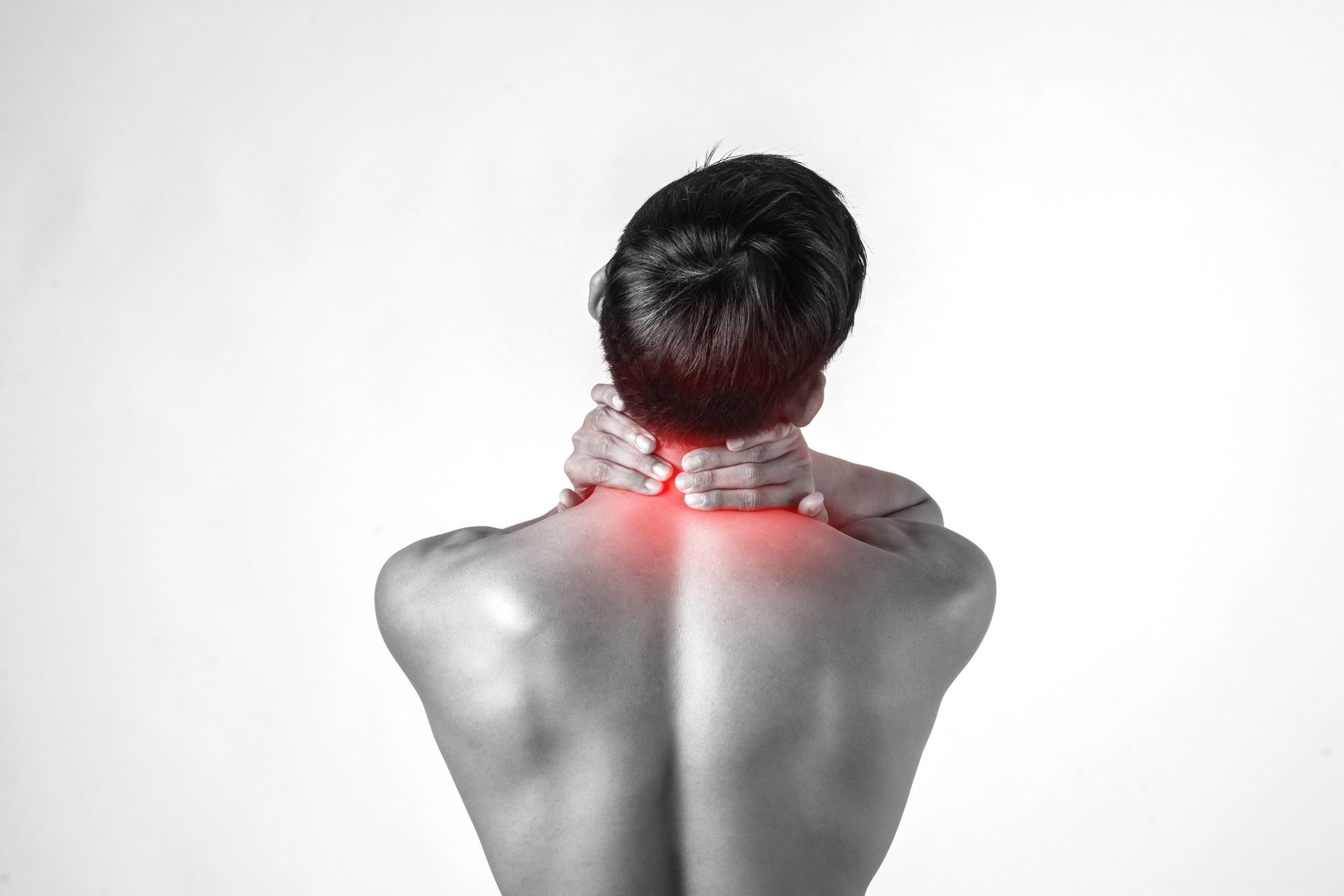
Whiplash is one of the most recognized injuries associated with car accidents, particularly rear-end collisions. It occurs when the head moves suddenly backward and forward, placing stress on the muscles, ligaments, and other structures supporting the neck.
This rapid movement can cause neck pain, stiffness, headaches, muscle tenderness, and reduced range of motion. Some individuals also experience shoulder discomfort, dizziness, or tingling sensations in their arms.
Symptoms may not appear immediately after an accident, which is why monitoring your condition is important.
Treatment options:
Treatment depends on the severity of the injury and the results of a medical evaluation. Common approaches may include:
- Gentle range-of-motion exercises when medically appropriate.
- Physical therapy to improve neck strength and flexibility.
- Pain management under professional guidance.
- Heat or cold therapy when recommended.
- Appropriate rehabilitation exercises to restore normal movement.
Chiropractic treatment may be considered for certain musculoskeletal symptoms after serious injuries have been ruled out. A chiropractor should first evaluate whether the neck is suitable for manual treatment.
2. Back Pain and Spinal Injuries
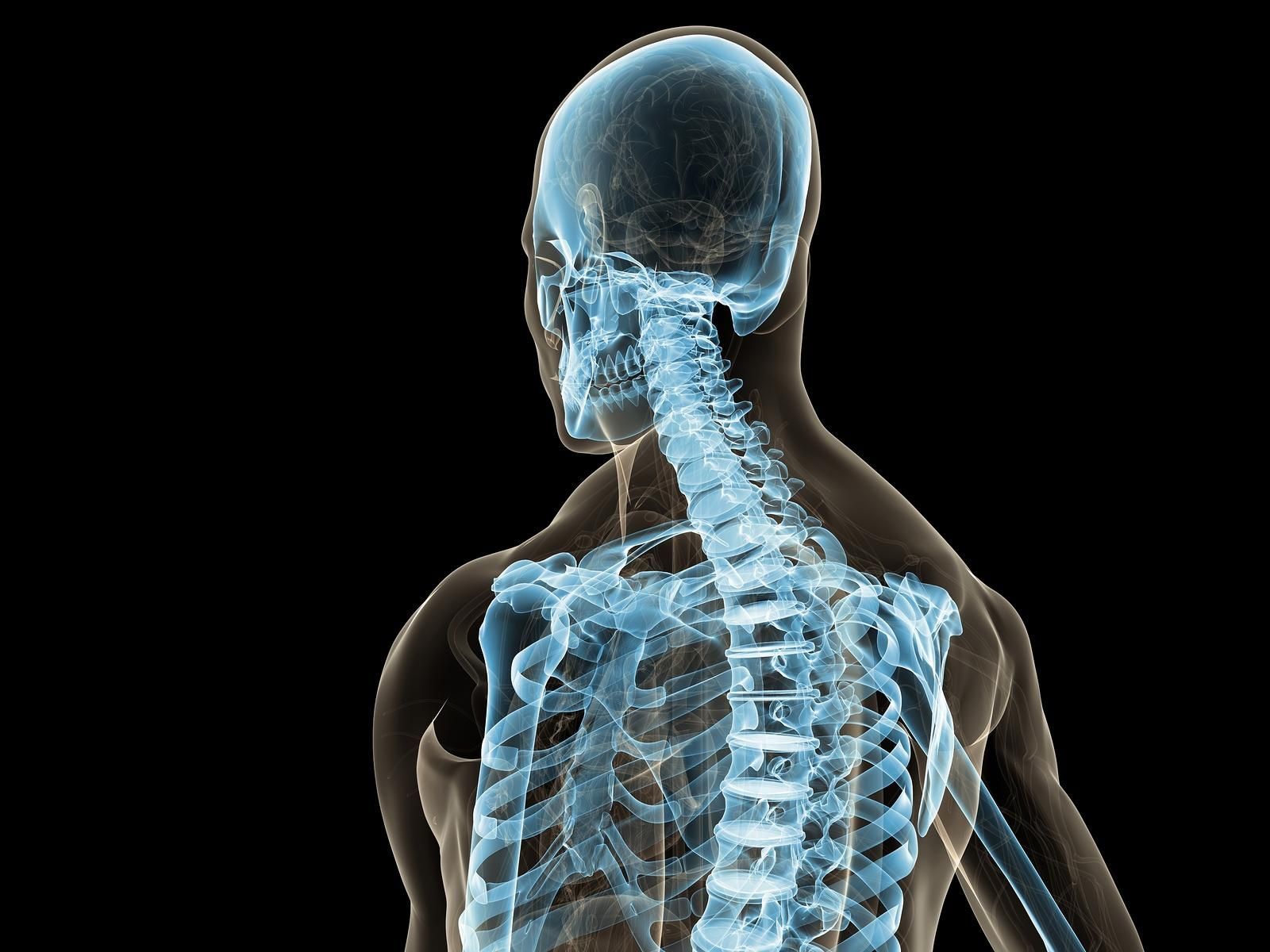
Back pain is another frequent concern following a vehicle collision. The force of impact can place stress on the muscles, joints, ligaments, and spinal structures. Depending on the nature of the accident, a person may experience discomfort in the upper, middle, or lower back.
Common symptoms include muscle tightness, pain when bending, difficulty standing for extended periods, and discomfort while sitting or walking.
Some injuries may also involve spinal discs or nearby nerves. If a disc becomes damaged or irritated, symptoms can include radiating pain, tingling, or numbness in the arms or legs.
Treatment options:
A healthcare professional will determine the cause of back pain before recommending treatment. Depending on the diagnosis, options may include:
- Guided therapeutic exercises.
- Physical therapy and mobility training.
- Appropriate pain management.
- Posture and movement education.
- Spinal decompression therapy for selected diagnosed conditions.
At Brain-Body Connection Chiropractic, spinal decompression therapy is among the services offered for certain spinal conditions. However, it is not appropriate for every accident-related back injury. A proper evaluation is necessary to determine whether it is suitable.
3. Soft Tissue Injuries
Soft tissue injuries involve muscles, tendons, and ligaments. During a collision, the body may experience sudden stretching, twisting, or compression. These forces can cause strains, sprains, and inflammation in affected areas.
For example, a person may develop a muscle strain in the back or a ligament sprain around the shoulder. Symptoms commonly include tenderness, swelling, bruising, muscle spasms, and discomfort during movement.
Although some soft tissue injuries are relatively minor, others can limit daily activities and require structured rehabilitation.
Treatment options:
Depending on the affected tissue and injury severity, treatment may involve:
- Activity modification and appropriate short-term protection.
- Cold therapy during the initial stage when recommended.
- Gentle movement and stretching as recovery progresses.
- Therapeutic exercises to rebuild strength.
- Myofascial release when clinically appropriate.
- Ultrasound or electrical stimulation as supportive therapies when indicated.
Brain-Body Connection Chiropractic offers supportive therapies such as ultrasound, electrical stimulation, and myofascial release. These options may be considered as part of an individualized care plan when appropriate for the patient's condition.
4. Shoulder Injuries
The shoulders can experience significant stress during a vehicle collision. A person may grip the steering wheel tightly, strike the door, or experience sudden movement that places pressure on the shoulder joint and surrounding tissues.
Common shoulder injuries include muscle strains, ligament sprains, rotator cuff injuries, and joint damage. Symptoms may involve pain when lifting an arm, reduced shoulder movement, weakness, and tenderness.
Some people also experience discomfort when sleeping on the affected side or performing routine activities such as dressing and reaching overhead.
Treatment options:
The appropriate approach depends on the injured structure. Treatment may include:
- Medical assessment and imaging when indicated.
- Guided shoulder mobility exercises.
- Rehabilitation to improve joint stability.
- Strengthening exercises for supporting muscles.
- Pain management and activity modification.
Chiropractic care may help address certain associated musculoskeletal problems when the injury has been properly assessed. Significant weakness, suspected dislocation, or a possible fracture requires medical evaluation before beginning rehabilitation.
5. Knee and Leg Injuries
A collision can force the knees or legs against the dashboard, steering column, or other parts of the vehicle. Sudden twisting or impact can also affect the knee joint, muscles, and ligaments.
Common accident-related knee injuries include ligament sprains, meniscus damage, bruising, and other joint injuries. Symptoms may include swelling, stiffness, difficulty walking, instability, and pain when bending the knee.
In more serious cases, the accident may cause a fracture or significant ligament damage.
Treatment options:
Depending on the diagnosis, treatment may include:
- Medical evaluation and appropriate imaging.
- Activity modification to protect the injured area.
- Rehabilitation exercises to restore strength.
- Balance and stability training.
- Physical therapy to improve walking and joint movement.
A structured rehabilitation program can help patients gradually regain function. However, suspected fractures, major swelling, inability to bear weight, or an unstable joint should receive prompt medical attention.
6. Head Injuries and Concussions
A concussion is a type of traumatic brain injury that can occur when a collision causes the head or body to move suddenly. A person's head does not necessarily need to strike an object for a concussion to occur.
Possible symptoms include headaches, dizziness, nausea, confusion, sensitivity to light, fatigue, and difficulty concentrating. Some symptoms may develop after the initial accident.
Head injuries require particular attention because they can involve complications that are not appropriate for chiropractic treatment.
Treatment options:
Concussion management should be directed by a qualified medical professional. Depending on the injury, care may involve:
- Medical and neurological assessment.
- Monitoring for changes in symptoms.
- A healthcare-guided return to daily activities.
- Appropriate physical and cognitive rehabilitation.
- Referral to a specialist when necessary.
Seek emergency medical care for worsening headaches, repeated vomiting, seizures, confusion, unusual drowsiness, weakness, or loss of consciousness. Do not begin chiropractic adjustments or physical rehabilitation for a suspected concussion without appropriate medical clearance.
7. Wrist, Hand, and Arm Injuries
Hands, wrists, and arms can also be affected during a collision. Drivers may grip the steering wheel during impact, while passengers may instinctively brace themselves against the dashboard or another surface.
These movements can result in sprains, strains, fractures, bruising, or nerve-related symptoms.
Common signs include wrist pain, swelling, reduced grip strength, tenderness, numbness, and difficulty moving the fingers or arms.
Treatment options:
Treatment depends on the type and severity of the injury. Options may include:
- Medical examination and imaging when needed.
- Appropriate support or immobilization for certain injuries.
- Rehabilitation to restore strength and flexibility.
- Guided mobility exercises after the injury are stable.
- Pain management based on professional recommendations.
Early diagnosis is important because untreated fractures and significant soft tissue injuries can affect long-term hand and arm function.
What Are the Available Auto Accident Treatment Options?
There is no single treatment approach that works for every accident-related injury. The right plan depends on the affected body part, injury severity, medical history, and recovery goals.
Common approaches include the following:
1. Chiropractic care: Chiropractic treatment may help address selected musculoskeletal conditions involving joint movement, stiffness, and certain types of neck or back discomfort. Treatment should only begin after an appropriate evaluation and clearance for manual therapy.
2. Physical therapy and rehabilitation: Guided exercises can help improve strength, flexibility, balance, and mobility. Rehabilitation programs are adjusted according to the patient's condition and progress.
3. Myofascial release: This hands-on technique targets restrictions and tension in soft tissues. It may be used as a supportive therapy for selected muscle-related complaints.
4. Ultrasound therapy: Therapeutic ultrasound uses sound waves and may be used in certain rehabilitation settings as an adjunct to other treatments.
5. Electrical stimulation: This approach uses controlled electrical impulses and may be recommended in selected cases to support pain management or muscle rehabilitation.
6. Spinal decompression therapy: This treatment is intended for certain diagnosed spinal conditions. It is not a general treatment for every back injury and requires professional assessment.
At Brain-Body Connection Chiropractic, available supportive services include ultrasound, electrical stimulation, myofascial release, chiropractic adjustments, and spinal decompression therapy. The appropriate combination depends on an individual's diagnosis and clinical needs.
When Should You Seek Auto Injury Treatment After an Accident?
You should seek medical evaluation as soon as possible after a car accident, even if you initially feel fine. Some injuries develop gradually, and an early examination can help identify problems that may otherwise go unnoticed.
Pay attention to symptoms such as:
- Persistent neck or back pain.
- Headaches following the collision.
- Muscle stiffness or spasms.
- Reduced joint movement.
- Tingling or numbness.
- Pain that interferes with walking, sitting, or sleeping.
Certain symptoms require emergency medical attention rather than a routine chiropractic appointment. These include severe neck or back pain after significant trauma, loss of consciousness, worsening confusion, repeated vomiting, chest pain, difficulty breathing, severe abdominal pain, new weakness, or loss of bladder or bowel control.
Do not attempt spinal manipulation or self-directed exercises when a serious injury is suspected. Medical professionals should first determine whether the injury is stable and what type of care is appropriate.
How Brain-Body Connection Chiropractic Supports Auto Accident Recovery
Recovering from an auto accident can involve more than managing immediate pain. Some individuals continue to experience stiffness, limited movement, muscle tension, and difficulty returning to their usual routines.
Brain-Body Connection Chiropractic serves patients in Denton, Texas, with personalized chiropractic care focused on musculoskeletal health and physical function.
The practice takes an individual approach to care, recognizing that each patient's injury, symptoms, and recovery goals may be different.
Depending on the patient's condition and medical clearance, available services may include chiropractic adjustments, ultrasound, electrical stimulation, myofascial release, and spinal decompression therapy for appropriate spinal conditions.
The first step is understanding your symptoms and medical history. An evaluation helps determine whether chiropractic treatment is suitable or whether additional medical assessment or referral is needed.
If you are experiencing neck discomfort, back pain, or mobility problems following a collision, discussing your symptoms with a qualified healthcare professional can help you understand your next steps.
Conclusion:
Auto accidents can cause a wide range of injuries, from whiplash and muscle strains to spinal problems, joint injuries, and concussions. Even when symptoms appear minor, understanding their cause and receiving an appropriate medical evaluation can make an important difference in your recovery plan.
The right Auto Injury Treatment depends on your specific condition. Medical assessment, rehabilitation, physical therapy, and chiropractic care for suitable musculoskeletal injuries may all play a role in helping you regain movement and manage discomfort.
If you are experiencing neck pain, back discomfort, muscle stiffness, or mobility limitations after a collision, Brain-Body Connection Chiropractic can help you explore appropriate chiropractic care options in Denton, TX.
Frequently Asked Questions
1. What is the best treatment for auto accident injuries?
The best treatment depends on the type and severity of the injury. Options may include medical care, physical therapy, rehabilitation exercises, pain management, and chiropractic treatment for appropriate musculoskeletal conditions. A healthcare professional should evaluate the injury before recommending a treatment plan.
2. How soon should I seek treatment after a car accident?
You should arrange a medical evaluation as soon as possible after an accident, even if symptoms are mild. Some injuries, including whiplash and concussion, may not produce noticeable symptoms immediately. Emergency symptoms require immediate medical attention.
3. Can chiropractic treatment help after a car accident?
Chiropractic treatment may help some people manage certain musculoskeletal problems, including selected cases of neck stiffness, back discomfort, and restricted joint movement. However, it is not appropriate for every accident injury. A proper medical evaluation should rule out fractures, neurological injuries, and other serious conditions before manual treatment begins.
4. How long does it take to recover from an auto accident injury?
Recovery time varies according to the injury, its severity, overall health, and response to treatment. Minor strains may improve within days or weeks, while more significant injuries can require several months or longer. Your healthcare provider can help establish realistic recovery expectations.
5. What should I expect during my first auto injury treatment appointment?
Your initial appointment typically involves discussing the accident, reviewing your symptoms and medical history, and assessing your movement and physical function. Additional testing or referrals may be recommended when necessary. Based on the findings, your provider can discuss suitable treatment options and next steps.
Recent Posts